
Flexible Solar Panels for RVs: What You Need To Know
RVers today want more independence on the road—more boondocking, more remote campsites, and fewer limits from noisy generators. That’s why flexible solar panels have quickly become a top choice for RV owners looking for simple, lightweight, and efficient off-grid power.
If you’re researching whether flexible solar panels are right for your RV, this guide breaks down everything you need to know—from benefits and disadvantages to types, installation tips, and expert recommendations.
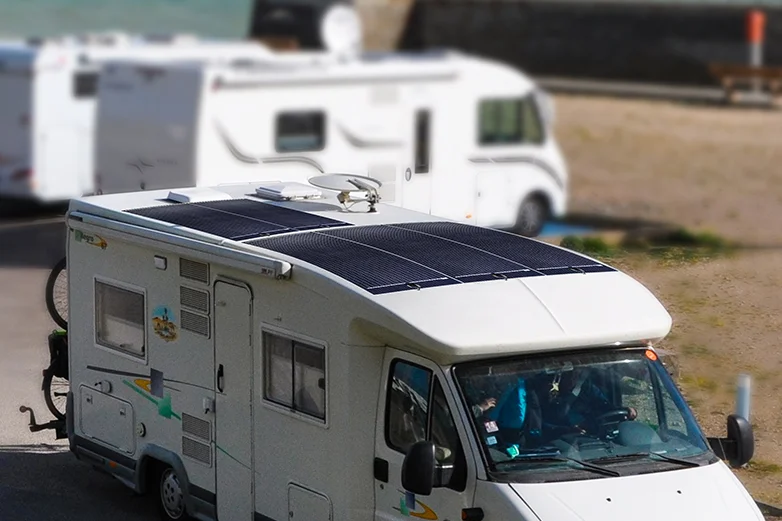
What Are Flexible Solar Panels?
Flexible solar panels are ultra-thin photovoltaic modules built with bendable materials (such as PET or ETFE laminations) instead of glass. While the cells are often monocrystalline, these panels use a flexible substrate that allows them to bend up to 20–30 degrees.
Unlike rigid glass panels, flexible solar panels can mount on curved or uneven surfaces—like RV roofs, campers, A-frames, vans, and cargo trailers—without drilling heavy metal brackets or adding extra weight.
They are especially popular among RVers who value:
-
Lightweight design
-
Easy installation
-
A low-profile look
-
Compatibility with curved roofs
One of the most reliable options on the market is the Sungold PA-219 Series Flexible Solar Panel, known for its strong PET/ETFE protection, stable performance, and excellent durability in harsh outdoor environments.
What Are the Benefits of Flexible Solar Panels for RVs?
1. Maximizes Available Surface Area
RV roofs aren’t perfectly flat—air vents, skylights, AC units, and antennas take up valuable space.
Flexible solar panels can curve and conform to the roof surface, allowing you to install panels where rigid modules simply won’t fit.
This means more watts on your roof, especially on smaller RVs, teardrops, travel trailers, and Class B vans.
2. Lightweight and Durable
Flexible panels typically weigh 4–7 pounds, which is around 70% lighter than rigid glass modules.
For RV users, this helps:
-
Reduce roof load
-
Improve fuel efficiency
-
Make installation safer and easier
The Sungold PA-219 series is engineered for durability, featuring anti-scratch surface technology and reinforced cell structures to withstand vibration, wind, and UV exposure—common conditions in RV travel.
3. Easy to Install
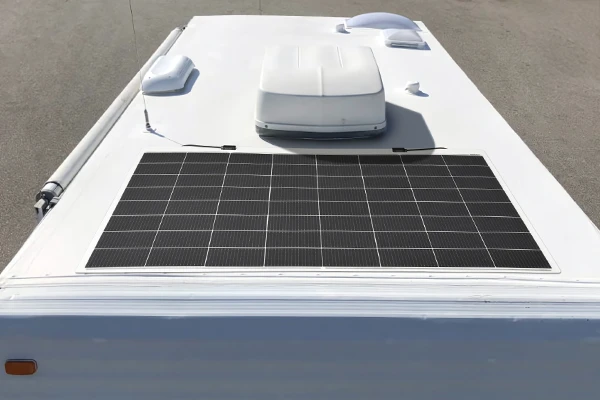
Flexible RV solar panels are glue-down or tape-down installation friendly.
They require no drilling, reducing the risk of roof leaks.
Common installation methods include:
-
Industrial adhesive like Sikaflex
-
3M VHB tape
-
Zip ties (for temporary setups)
-
Velcro (for portable/temporary use)
This simplicity is ideal for DIY RVers or users who don’t want permanent modifications.
What Are the Disadvantages of Flexible Solar Panels for RVs?
Despite their advantages, there are important trade-offs you should know.
1. Less Efficient
High-quality flexible panels range from 17–23% efficiency, which is slightly lower than many rigid monocrystalline panels.
This means you may need more surface area to achieve the same output.
2. More Expensive
The materials and specialized manufacturing increase the cost per watt.
For example:
-
Rigid panels: $0.70–$1.20 per watt
-
Flexible panels: $1.20–$2.40 per watt
3. Lower Lifespan
Because they lack the protective glass and aluminum frame, flexible solar panels generally have a lifespan of 5–10 years, compared to 25+ years for rigid modules.
These panels are best suited for RVers whose priority is weight, flexibility, and simplicity, rather than maximum lifespan.
Factors To Consider When Choosing Flexible Solar Panels for Your RV
Before you choose a flexible solar panel, review these important factors:
1. Panel Type
Flexible panels come in two main types:
-
Monocrystalline (most efficient, best for RVs)
-
Polycrystalline (rare, older technology, lower efficiency)
Monocrystalline is the preferred choice for today’s RV solar systems.
The Sungold PA-219 series uses premium monocrystalline solar cells for higher output in limited roof space.
2. Cost
Keep the total power needs in mind:
-
RVers running only lights, fans, and electronics: 100–200W
-
Boondockers running refrigerators or inverters: 300–600W
-
Full-time RVers: 600W+
Flexible panels cost more per watt, so estimate your total wattage in advance.
3. Weight
Weight matters most for:
-
Pop-up campers
-
Class B vans
-
Airstream trailers
-
Fiberglass RV roofs
Lighter panels reduce stress and help improve fuel economy.
4. Durability
Look for features such as:
-
ETFE surface protection
-
Anti-scratch coating
-
Reinforced cell structure
-
UV-resistant laminations
Sungold’s PA-219 series is known for durability under long-term outdoor use, with weather, vibration, and wind resistance suitable for RV life.
5. Warranty
Flexible panels typically offer shorter warranties than rigid ones.
Look for at least 3–5 years of performance warranty.
What Are the Different Types of Flexible Solar Panels for RVs?
Flexible solar panels for RVs generally fall into three categories:
1. PET Flexible Solar Panels
-
Most affordable
-
Lightweight and easy to install
-
Good performance
-
Shorter lifespan compared to ETFE
2. ETFE Flexible Solar Panels
-
Stronger UV resistance
-
More durable
-
Higher light transmission
-
Longer lifespan
The Sungold PA-219 series uses enhanced laminations and reinforced structure for long-term outdoor use, making them more suitable for RV travel.
3. Semi-Flexible Marine-Grade Panels
-
Higher durability
-
Saltwater-resistant
-
Used on boats and marine environments
-
More expensive
Great for RVers who frequently camp in humid or coastal areas.
What Is the Best Type of Flexible Solar Panel for RVs?
For most RV users, monocrystalline ETFE semi-flexible panels strike the best balance between:
-
Efficiency
-
Durability
-
Flexibility
-
Weight
-
Long-term reliability
This is why products like the Sungold PA-219 series are favored among RV owners—they provide excellent real-world performance without adding weight or drilling into the RV roof.
Why Are Monocrystalline Flexible Panels the Most Suitable Option?
Monocrystalline panels offer:
-
Higher efficiency on limited roof space
-
Better low-light performance (clouds, dusk)
-
Longer service life
-
Stable power output as temperatures change
In RV applications—where surface area is limited—this matters a lot.
Sungold’s PA-219 monocrystalline cells are optimized for high-density power production, making them ideal for van conversions, fifth wheels, and travel trailers.
Recommended Product: Sungold PA-219 Series Flexible Solar Panels
The PA-219 series is one of Sungold’s signature flexible panel solutions designed specifically for mobile applications. Key advantages include:
-
Ultra-lightweight structure ideal for RV roofs
-
Advanced flexible cell technology
-
Durable PET/ETFE surface options
-
Easy installation with adhesives or VHB tape
-
Stable performance under partial shade and high heat
-
Available in 100W–490W configurations
These features make PA-219 a strong choice for RV owners who need reliable off-grid power without drilling or extra roof load.
Frequently Asked Questions
1. How Do You Install Flexible Solar Panels on an RV?
Installation is simple and DIY-friendly:
-
Clean the RV roof surface
-
Test panel position and wiring path
-
Use 3M VHB tape or adhesive
-
Press panels firmly into place
-
Route wires through a waterproof gland
-
Connect to a solar charge controller
-
Connect the controller to the RV battery system
No brackets or drilling are required, making the process fast and leak-free.
2. Are Flexible Solar Panels for RVs Worth It?
Flexible panels are absolutely worth it if you value:
-
Lightweight design
-
Easy installation
-
A non-intrusive, low-profile look
-
Compatibility with curved roofs
They are the best match for:
-
Vans
-
Airstreams
-
Pop-ups
-
Teardrop trailers
-
Fiberglass RVs
If you want maximum long-term lifespan, rigid solar panels may still be better.
For most RV travelers seeking reliable solar power without extra weight, flexible panels—especially high-quality models like the Sungold PA-219 series—offer excellent value.
Final Thoughts
Flexible solar panels have changed the way RV owners approach off-grid camping. They let you enjoy cleaner, quieter, and more reliable energy—without the installation challenges of rigid systems.
If you want maximum surface coverage, lightweight design, and an easy setup, Sungold PA-219 flexible solar panels are a top-tier solution for modern RVers.
Whether you’re upgrading an older RV or outfitting a van conversion, these panels deliver dependable power and long-term durability wherever the road leads.