
Solar Panels for RV Roof: The Complete Guide for Powering Your RV Anywhere in the U.S.
If you own an RV in the United States, chances are you value freedom, flexibility, and independence. Whether you’re boondocking in the Arizona desert, camping in national parks, or living full-time on the road, reliable power is essential.
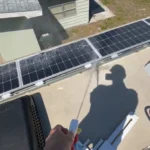
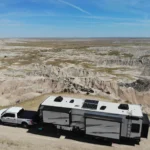
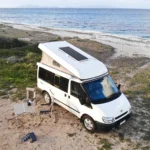
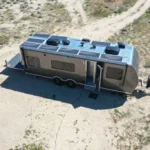
That’s why solar panels for RV roof installations have become one of the most popular upgrades among U.S. RV owners. Roof-mounted solar allows you to generate electricity quietly, sustainably, and without relying on shore power or fuel-hungry generators.
In this guide, we’ll break down everything you need to know — from panel types and installation methods to complete RV solar panel kits with battery and inverter — so you can design the right system for your RV lifestyle.

Why Install Solar Panels on Your RV Roof?
RV roof solar systems are designed to turn unused roof space into a self-sufficient power source.
Key Benefits for U.S. RV Owners
-
Off-grid capability for boondocking and dispersed camping
-
Reduced generator use, noise, and fuel costs
-
Clean, renewable energy wherever the sun shines
-
Long-term cost savings on campground hookups
-
Increased RV resale value
In the U.S., solar is especially popular among:
-
Full-time RVers
-
Van life travelers
-
Overlanders
-
Seasonal campers in sunny states like California, Arizona, Texas, Utah, and Florida
Flexible vs. Rigid: Choosing the Right Solar Panels for RV Roof
One of the first decisions you’ll face is whether to use rigid panels or flexible solar panels for RV applications.
Flexible Solar Panels for RV
Flexible panels are increasingly popular in the U.S. RV market, especially for modern motorhomes and vans.
Advantages
-
Ultra-lightweight (ideal for weight-sensitive RVs)
-
Can conform to curved RV roofs
-
Lower profile = better aerodynamics
-
Easier to install with adhesive methods
Best for
-
Class B vans & Sprinter conversions
-
Fiberglass or curved roofs
-
RV owners concerned about roof load limits
Rigid Solar Panels
Traditional glass-front panels remain a solid option.
Advantages
-
Higher efficiency per panel
-
Longer lifespan
-
Better airflow underneath (when mounted with brackets)
Best for
-
Flat RV roofs
-
Larger Class A & Class C RVs
-
Installations with roof racks or tilt mounts
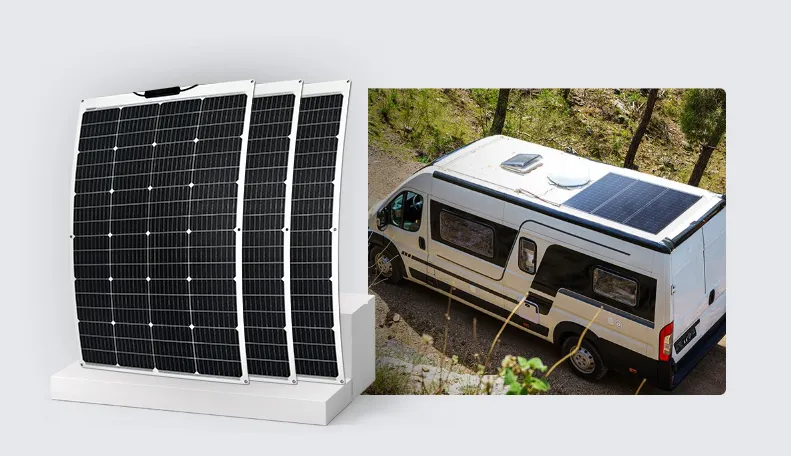
Mounting Solar Panels on RV Roof: Methods Explained
Properly mounting solar panels on RV roof surfaces is critical for safety, durability, and performance.
1. Adhesive Mounting (Common for Flexible Panels)
-
Uses industrial VHB tape or polyurethane adhesive
-
No roof penetration
-
Lightweight and low profile
Considerations
-
Surface prep is critical
-
Heat dissipation must be managed
-
Best for flexible solar panels for RV use
2. Bracket Mounting (Common for Rigid Panels)
-
Aluminum brackets screwed into roof structure
-
Excellent airflow and cooling
-
Extremely secure for highway travel
Considerations
-
Requires sealing to prevent leaks
-
Slightly higher installation complexity
3. Rack or Rail Systems
-
Used when installing multiple panels
-
Ideal for large RV solar arrays
Lightweight Solar Panels Designed for RV Roofs
For U.S. RV owners, weight and roof compatibility are critical factors when choosing solar panels. Traditional glass panels can add significant load, which may not be ideal for fiberglass or curved RV roofs.
Sungold Solar offers dedicated lightweight solutions designed specifically for mobile and RV applications:
-
PA219
An ultra-light flexible solar panel that conforms to curved RV roofs. Ideal for van conversions, Class B RVs, and weight-sensitive installations. -
PA621
A lightweight rigid panel using composite materials, offering higher efficiency while reducing roof load compared to traditional glass panels.
Both solutions are engineered to withstand highway vibration, heat exposure, and long-term outdoor use—key concerns for RV travel across the U.S.
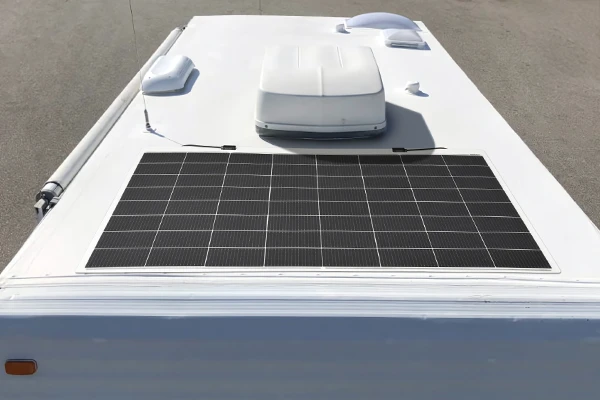
How Much Solar Power Do You Need on an RV Roof?
Power requirements vary widely depending on how you use your RV.
Typical U.S. RV Power Loads
| Appliance | Approx. Daily Use |
|---|---|
| Lights & fans | 100–200 Wh |
| Refrigerator | 600–1200 Wh |
| Laptop / phone charging | 100–300 Wh |
| Microwave | 800–1500 Wh |
| Air conditioner | Very high (usually needs large system) |
Common RV Solar Sizes
-
200W–300W: Weekend camping, light loads
-
400W–600W: Regular off-grid use
-
800W+: Full-time RV living
RV Solar Panel Kit with Battery and Inverter: The Complete Solution
For many U.S. buyers, the easiest route is a RV solar panel kit with battery and inverter.
What’s Included in a Typical Kit?
-
Roof-mounted solar panels
-
Solar charge controller (MPPT preferred)
-
Lithium or AGM battery
-
Inverter (pure sine wave recommended)
-
Cables, fuses, mounting hardware
Why Kits Are Popular in the U.S.
-
Simplifies system design
-
Ensures component compatibility
-
Faster installation
-
Easier for DIY RV owners
Tip: Lithium batteries are now the top choice in the U.S. due to lighter weight, deeper discharge, and longer lifespan.
Installation Tips for U.S. RV Roof Solar Systems
-
Always verify roof load capacity
-
Leave space around roof vents and AC units to reduce shading
-
Use UV-resistant wiring and weather-rated connectors
-
Seal all penetrations properly (Dicor or equivalent)
-
Plan for future expansion
Is RV Roof Solar Worth It in the United States?
For most RV owners, the answer is yes.
With rising campground fees, growing interest in off-grid travel, and improved solar technology, solar panels for RV roof installations offer unmatched independence and convenience.
Whether you choose flexible solar panels for RV, a traditional rigid setup, or a complete RV solar panel kit with battery and inverter, rooftop solar gives you the freedom to travel the U.S. on your own terms — powered by the sun.
FAQ
Q: Are solar panels for RV roof worth it in the United States?
A: Yes. Solar panels for RV roof installations allow U.S. RV owners to camp off-grid, reduce generator use, and power essential appliances using clean energy—especially popular for boondocking and full-time RV living.
Q: What are the advantages of flexible solar panels for RV roofs?
A: Flexible solar panels for RV roofs are lightweight, low-profile, and can conform to curved surfaces. They are ideal for vans and RVs with weight or roof-shape limitations.
Q: How are solar panels mounted on an RV roof?
A: Mounting solar panels on RV roofs can be done using adhesive methods (commonly for flexible panels) or bracket systems (for rigid panels). The best method depends on roof type, panel weight, and long-term travel conditions.
Q: What is included in an RV solar panel kit with battery and inverter?
A: A typical RV solar panel kit with battery and inverter includes solar panels, a charge controller, a battery (often lithium), an inverter, wiring, and mounting hardware—providing a complete off-grid power solution.
Q: How much solar power do I need on my RV roof?
A: Most U.S. RV owners install between 200W and 600W of solar on their RV roof, depending on appliances, battery capacity, and travel habits.