
Risks and Compliance: Installing Solar Panels on Your RV Roof in the U.S.
For many American RVers, “off-grid freedom” is the dream: quiet campsites, full batteries, and no generator noise. But moving from shore power to rooftop solar is more than choosing panels and sticking them down.
In the United States, RV solar sits at the intersection of fire safety standards, electrical best practices, vehicle vibration/wind loads, roof-waterproofing realities, and insurance/warranty fine print. Ignore these, and the consequences can be expensive—denied insurance claims, voided roof warranties, melted wiring, or worst-case electrical fires.
This guide walks through the real-world risks and the compliance framework RV owners should understand before drilling (or taping) anything to the roof.
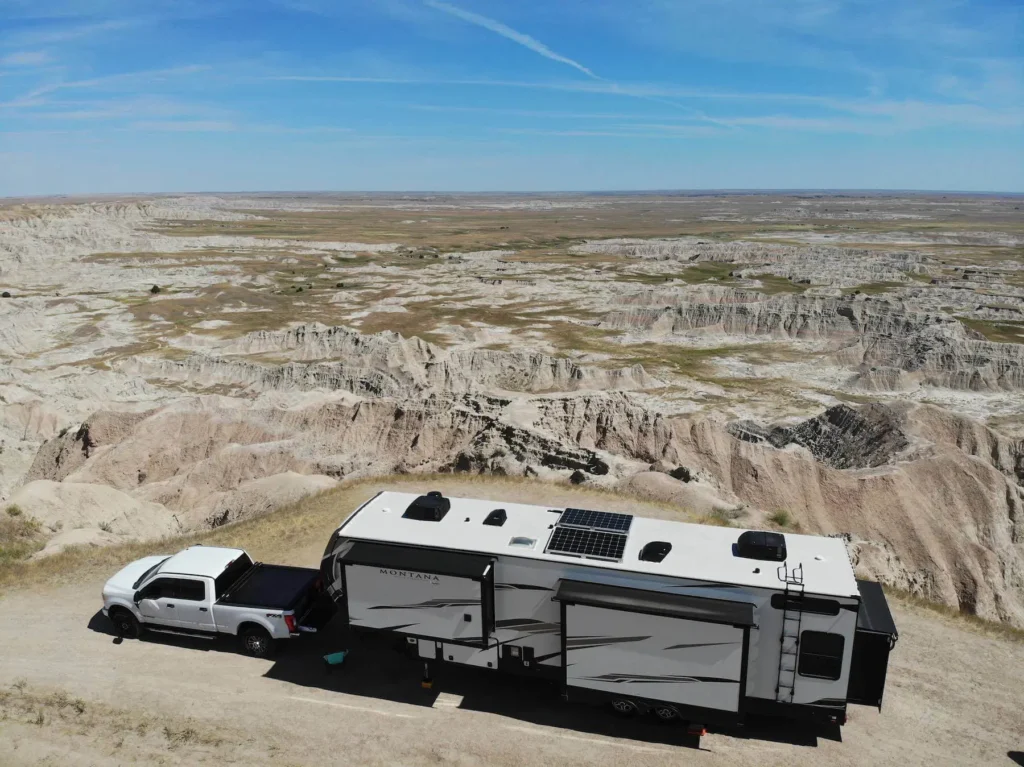
1) Compliance Basics: The Standards RV Roof Solar Installations Should Respect
RV electrical systems aren’t regulated like residential rooftops. Instead, RVs typically reference a mix of:
-
NFPA 1192 (Standard on Recreational Vehicles) – a core safety standard covering fire/life safety criteria for RVs.
-
ANSI/RVIA Low Voltage standard – commonly referenced for low-voltage DC systems, focusing on wiring practices and overcurrent protection for conversion/RV low-voltage systems.
-
NEC (NFPA 70) relevance – the RV industry actively tracks NEC revisions because certain NEC articles address RV-related electrical systems.
What this means for you (practically): even if you’re DIY, your safest path is to build like an inspector/installer would:
-
correct wire sizing (AWG) for current and run length
-
proper overcurrent protection (fuses/breakers) close to power sources
-
clean terminations, strain relief, abrasion protection, and safe routing away from heat/motion
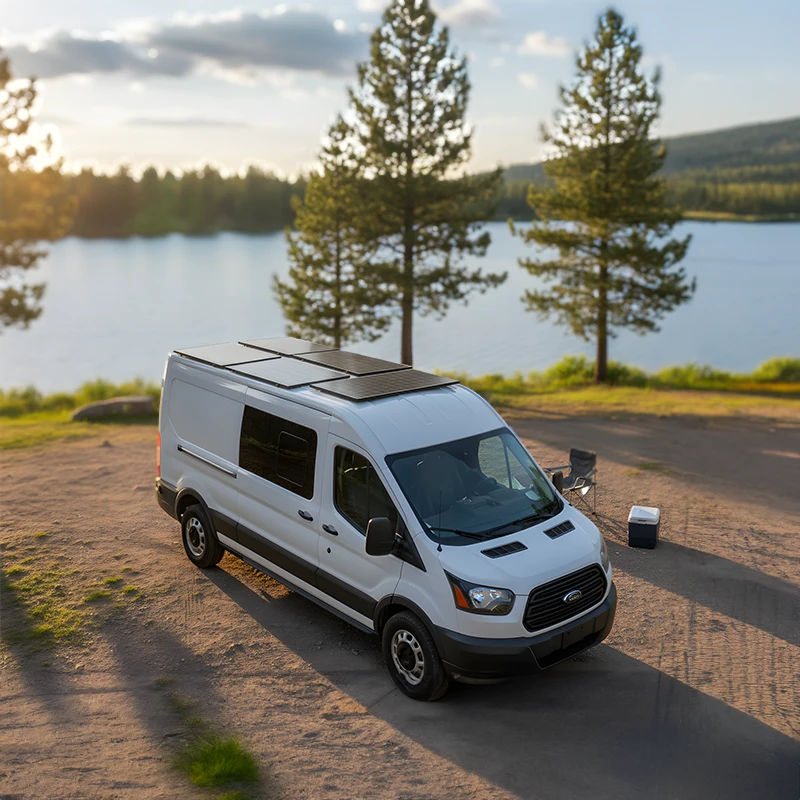
2) “UL Listed” Isn’t Marketing—It’s Often an Insurance Issue
A common claim denial trigger after electrical incidents is “non-listed” or unverifiable components.
For solar modules, the U.S. market has transitioned from older UL 1703 toward UL 61730-aligned safety qualification. UL’s own guidance describes the harmonization and transition to UL 61730-1/-2.
Why it matters: if there’s a fire and an adjuster finds non-certified components (or unknown sellers with no traceable documentation), you’ve created an easy argument that the system didn’t meet widely accepted safety expectations.
Owner checklist for module compliance:
-
Ask the seller for UL listing documentation or searchable certification references.
-
Keep receipts, spec sheets, and install photos (these help with insurance and resale).
3) Structural Risks: RV Roofs Are Thin “Envelopes,” Not House Roofs
Most RV roofs—TPO, EPDM rubber, fiberglass—are designed for light weight, not heavy hardware loads. Add highway wind and vibration, and roof solar becomes a mechanical engineering problem.
Risk A: The “Flying Sail” Effect (Wind Lift at Highway Speed)
A panel edge can catch airflow like a wing. If brackets aren’t anchored correctly, you can lose panels—or rip roof material with them.
Safer approach:
-
Locate and anchor into structural members where possible (rafters/trusses).
-
If anchoring only into thin decking, use fasteners designed for that substrate (not random wood screws).
Risk B: Roof Leaks and Sealant Compatibility (The #1 RV Killer)
Water intrusion is what totals RVs slowly and quietly. Every penetration is a future leak if the sealant choice is wrong.
Dicor’s self-leveling lap sealants are explicitly positioned for RV roof applications and are noted as compatible with common RV roof membranes (EPDM/TPO/PVC).
Critical warning: avoid household silicone for RV roofs—poor long-term adhesion and peeling are common failure modes.
4) Installation Logistics That Reduce Risk (Without Overcomplicating)
Cable Entry: Don’t “Just Drill a Hole and Hope”
A clean approach is using a proper roof entry solution designed to stay watertight (and then sealed correctly).
Pro approach many installers use: route wiring through existing pathways (for example, certain vent chases) to reduce new penetrations. The goal is always the same: fewer new holes, fewer leak points.
Heat Dissipation: Air Gaps Aren’t Optional for Rigid Panels
Rigid panels should typically be mounted with an air gap to:
-
reduce roof membrane heat stress
-
improve panel efficiency (panels lose output when hot)
-
keep temperatures more stable for wiring and adhesives
5) Insurance, Warranty, and Money: The “Hidden” Compliance Trifecta
Insurance: Tell Your Provider What You Changed
If your solar system is a permanent attachment (mounted hardware + routed wiring + battery/inverter changes), notify your insurer. Documentation helps: photos, invoices, and a basic parts list.
Warranty: Drilling Can Create Warranty Conflict
Many RV roof warranties are sensitive to penetrations and workmanship. Owner forums are full of real cases where warranty questions arise after modifications.
Best mitigation:
-
Use factory “Solar Ready” ports if your RV has them.
-
Keep detailed installation records in case a roof claim ever becomes a dispute about “cause.”
Federal Tax Credit: Possible, But Don’t Assume
The IRS describes the Residential Clean Energy Credit and how to claim it (including labor and interconnection wiring costs, when applicable).
Whether an RV solar install qualifies can depend on how the RV is treated for tax purposes and your personal situation—so treat this as “ask your tax pro with IRS guidance in hand,” not a guarantee.
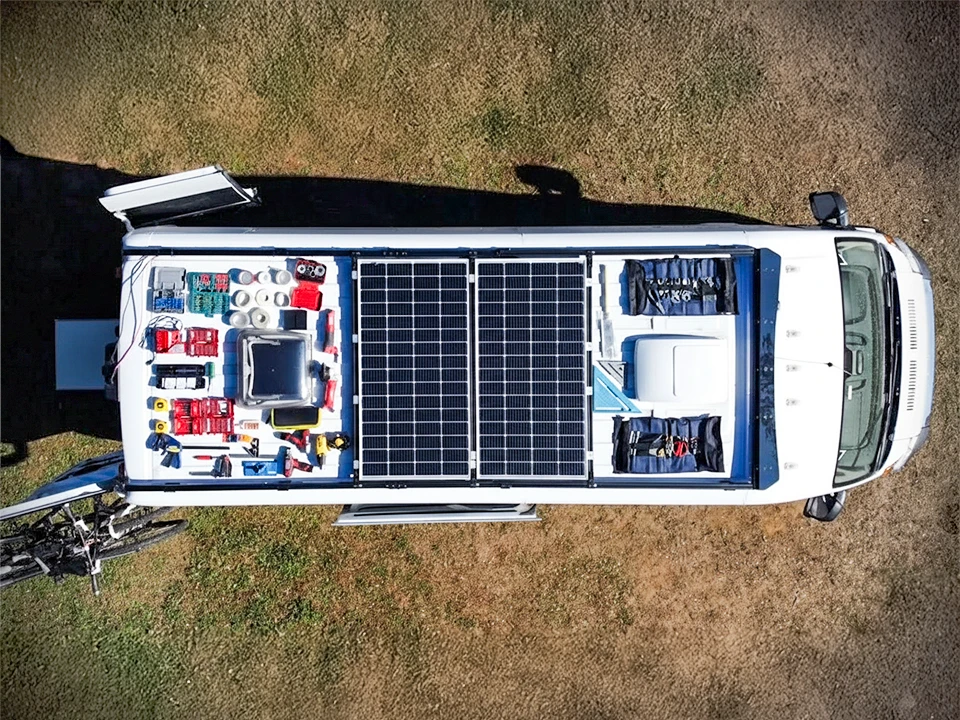
Summary Checklist for U.S. RV Owners (Risk → Safer Practice)
| Risk Factor | Safer / Compliance-Minded Measure |
|---|---|
| Wind load / uplift | Anchor into structure where possible; avoid weak fasteners; use mounting methods intended for vibration + shear |
| Electrical fire | Correct AWG sizing, protected routing, strain relief, and properly rated fuses/breakers per low-voltage best practices |
| Water damage | Use RV roof-compatible lap sealant (EPDM/TPO/PVC compatible), recheck seasonally |
| Insurance disputes | Notify your insurer; keep photos, receipts, and a component list; prefer UL-listed components |
| Warranty conflict | Prefer factory “solar ready” pathways; document workmanship; minimize penetrations |