
RV Battery Charging With Solar: A Practical Guide to Building a Reliable RV Power System
Living or traveling in an RV is no longer just about mobility—it’s about energy independence. From powering refrigerators and lights to running laptops, air fans, and communication devices, modern RV life depends heavily on a stable electrical system.
That’s why RV battery charging with solar has become one of the most popular and reliable solutions for off-grid and semi-off-grid RV users.
This guide will walk you through:
-
How solar charging works for RV batteries
-
What components are required
-
How to size and configure a system correctly
-
Common mistakes to avoid
Whether you’re planning a weekend trip or long-term RV living, this article will help you build a solar charging system that actually works in real-world conditions.
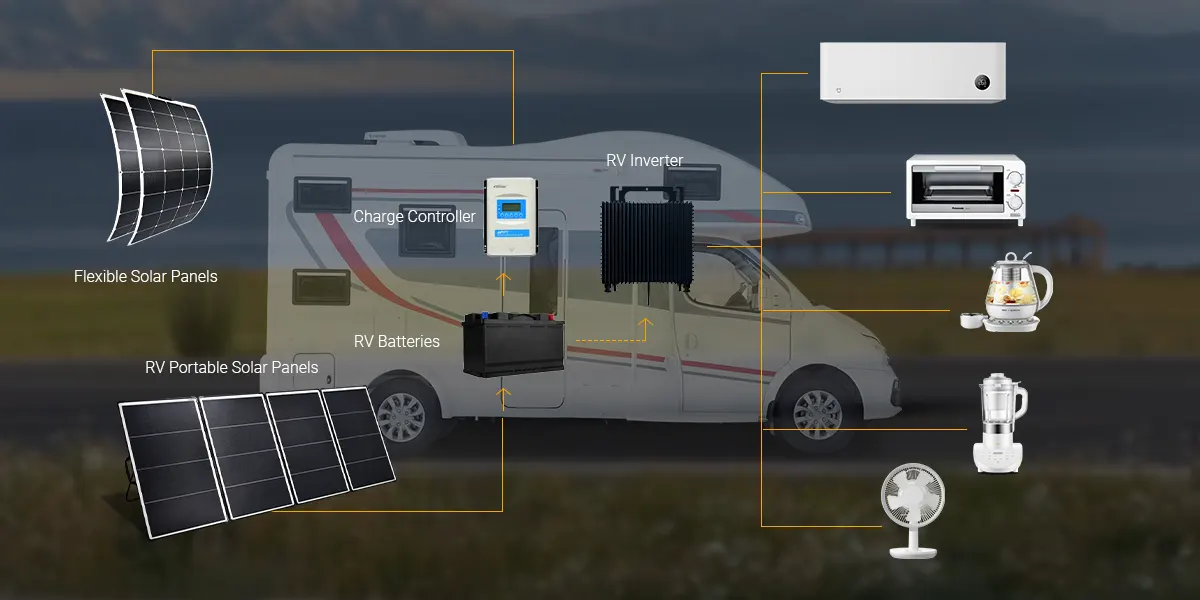
1. How RV Battery Charging With Solar Works
At its core, an RV solar battery charging system converts sunlight into usable electrical energy and stores it in your battery bank.
The basic energy flow looks like this:
Solar Panels → Charge Controller → Battery Bank → Inverter / DC Loads
Here’s what happens step by step:
-
Solar panels capture sunlight and produce DC electricity
-
Charge controller regulates voltage and current to protect batteries
-
Batteries store energy for later use
-
Inverter (optional) converts DC power to AC for household appliances
Unlike shore power or generators, solar charging works silently and continuously during daylight—perfect for boondocking and remote travel.

Choosing the Right Solar Panels for RV Battery Charging
The solar panel is the energy source of your system. For RVs, panel choice affects not only output, but also roof compatibility, weight, and long-term durability.
Common RV Solar Panel Options
-
Rigid glass panels
-
Higher efficiency per panel
-
Best for flat, reinforced roofs
-
-
Flexible / lightweight panels
-
Ideal for curved or lightweight RV roofs
-
Lower profile, less wind resistance
-
Easier installation with adhesive bonding
-
Key Considerations
-
Roof space available
-
Roof curvature and load limits
-
Driving vibration and heat exposure
-
Partial shading from vents, AC units, racks
For many RV users, lightweight flexible panels offer a better balance between power, safety, and installation flexibility.

Battery Types: What Are You Charging?
Solar charging performance is closely tied to the type and capacity of your RV battery bank.
Common RV Battery Types
-
Lead-acid (Flooded)
-
Low upfront cost
-
Requires ventilation and maintenance
-
-
AGM batteries
-
Maintenance-free
-
Moderate lifespan and depth of discharge
-
-
Lithium (LiFePO₄)
-
High usable capacity (80–90%)
-
Lightweight and long lifespan
-
Ideal for solar charging systems
-
If your goal is efficient solar charging and longer off-grid time, lithium batteries are generally the best match.
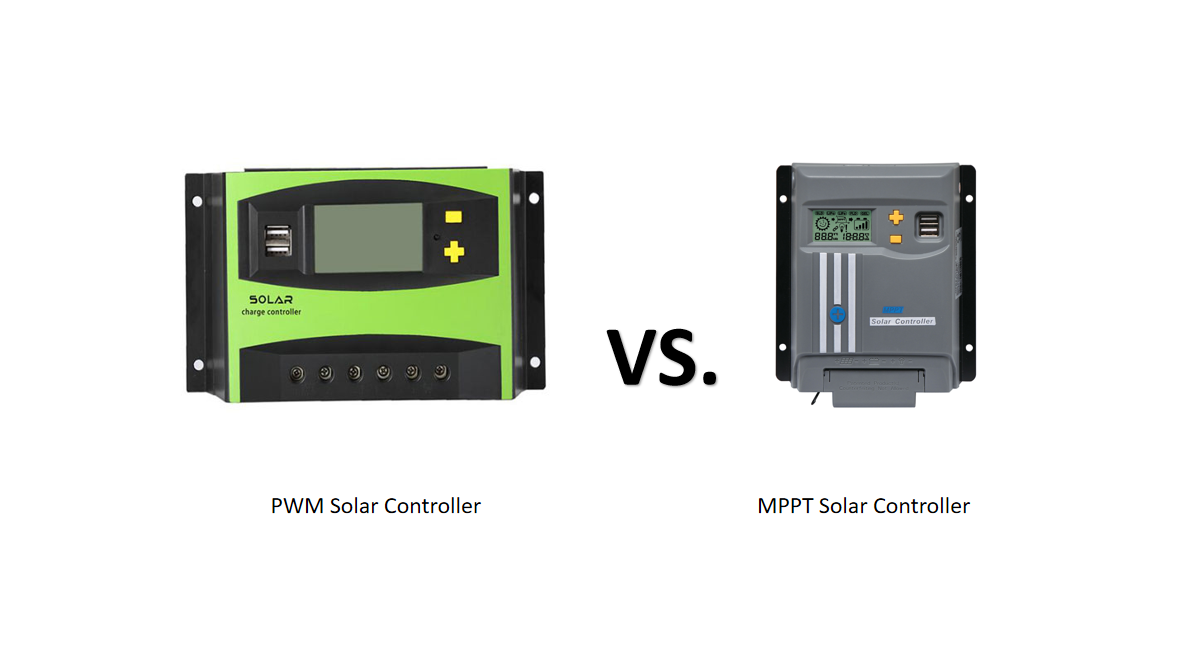
Solar Charge Controllers: MPPT vs PWM
The charge controller is the “brain” of the system. It protects your batteries while optimizing charging efficiency.
PWM vs MPPT
| Type | Best Use Case | Efficiency |
|---|---|---|
| PWM | Small systems, tight budget | Lower |
| MPPT | Medium to large RV systems | Higher (10–30% gain) |
For most RV solar battery charging setups, MPPT controllers are strongly recommended, especially when:
-
Panel voltage is higher than battery voltage
-
Roof space is limited
-
You want faster charging in weak sunlight
How Much Solar Do You Need to Charge RV Batteries?
There’s no one-size-fits-all answer, but here’s a practical starting point.
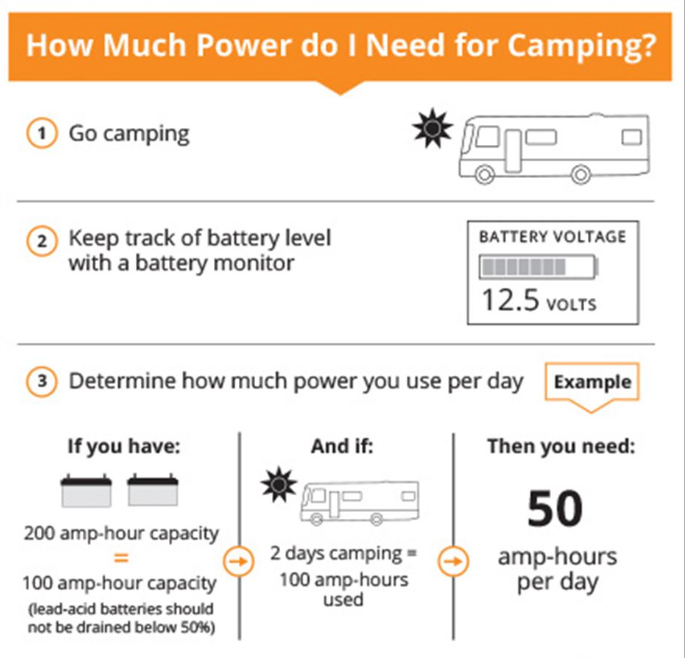
Step 1: Estimate Daily Power Use
Typical daily RV consumption:
-
Lights, water pump, electronics: 500–800 Wh
-
Refrigerator + fans: 800–1200 Wh
-
Work setup or extended use: 1500+ Wh
Step 2: Match Solar Input
As a rule of thumb:
-
300–400W solar → light to moderate usage
-
500–800W solar → extended off-grid living
-
1000W+ solar → high-demand RV systems
Solar should ideally replenish at least 80–100% of daily battery usage.
Wiring, Layout & Installation Tips
Good system design is just as important as component selection.
Best Practices
-
Plan panel layout to minimize shading
-
Use series or hybrid wiring for MPPT systems
-
Keep cable runs short and properly sized
-
Secure wiring against vibration and heat
-
Ensure roof penetrations are sealed correctly
A poorly installed system can lose more energy than a smaller but well-designed one.
Common Mistakes in RV Solar Battery Charging
-
Oversizing panels but undersizing batteries
-
Ignoring partial shading effects
-
Using PWM controllers with large arrays
-
Choosing panels too heavy for RV roofs
-
No allowance for future system expansion
Avoiding these mistakes saves both money and frustration.
Final Thoughts: Build a Solar System That Matches Your RV Lifestyle
RV battery charging with solar is not about chasing the highest wattage—it’s about balance:
-
Matching solar input to battery capacity
-
Choosing components suited for mobile conditions
-
Designing for real-world shading, heat, and vibration
A properly configured solar charging system gives you:
-
Longer off-grid stays
-
Lower fuel and campground costs
-
Quiet, reliable power wherever you park
If you’re planning your RV solar system, start with a clear understanding of your energy needs—and build from there.
FAQ
Can solar panels fully charge RV batteries?
Yes. With proper system sizing, solar panels can fully charge RV batteries and support daily power needs, especially when paired with lithium batteries and MPPT charge controllers.
How long does it take to charge RV batteries with solar?
Charging time depends on solar wattage, battery capacity, sunlight conditions, and system efficiency. Most RV systems recharge daily usage within 4–6 hours of good sun.
Is solar enough for full-time RV living?
For many RVers, yes. A well-designed solar system with adequate battery storage can support full-time RV living without relying on generators or shore power.
What is the best solar setup for RV battery charging?
A balanced setup includes appropriately sized solar panels, lithium batteries, an MPPT charge controller, and proper wiring layout to minimize losses and shading.