
RV Solar Panel Cleaning: The Ultimate RV Solar Maintenance Guide
Keeping your RV solar system in top shape isn’t complicated—but it does require the right cleaning habits. Dust, road grime, pollen, bird droppings, and even dried rain residue can quietly reduce output over time. If you rely on solar power for off-grid travel, regular maintenance matters.
This guide explains how to clean RV solar panels safely, what the 33% rule really means, and which cleaning products actually work—without damaging your panels.
Why RV Solar Panel Cleaning Matters
RV solar panels sit flat, close to the roof, and are constantly exposed to:
-
Highway dust and exhaust residue
-
Tree sap and pollen in campsites
-
Bird droppings and insects
-
Hard-water mineral deposits
Even a thin layer of dirt can reduce energy production. In real-world RV use, neglected panels can lose 10–25% efficiency, and in extreme cases, even more.
How Do You Clean an RV Solar Panel Safely?
The safest and most effective method is simple:
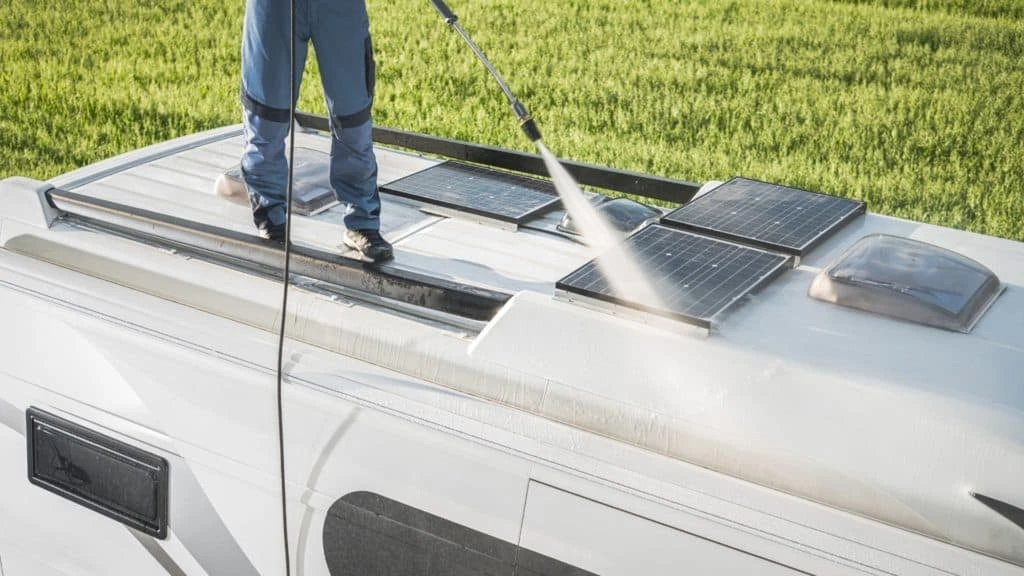
Use low-pressure water and a soft brush or microfiber cloth with mild, biodegradable soap or a dedicated solar cleaner. Rinse thoroughly and avoid harsh chemicals or abrasives.
Step-by-Step RV Solar Panel Cleaning
-
Park safely and let panels cool
Clean early morning or late afternoon. Hot panels + cold water can cause micro stress. -
Rinse with low-pressure water
A garden hose (no pressure washer) removes loose dirt and grit. -
Gently wipe with a soft tool
Use:-
Microfiber cloth
-
Soft RV wash brush
-
Telescoping soft-bristle pole
-
-
Use mild soap only if needed
A small amount of biodegradable soap or solar panel cleaner is enough. -
Rinse thoroughly
Soap residue attracts dust and leaves streaks. -
Air dry or lightly wipe
Avoid squeegees with hard edges.

What Is the 33% Rule in Solar Panels?
The 33% rule refers to a practical guideline used by RVers and installers:
Solar cells are wired in series. Heavy dirt or shading on one section can bottleneck current across the entire panel, triggering bypass diodes and reducing usable power.
What this means for RV owners:
-
Even partial dirt buildup matters
-
Bird droppings and leaf shadows are worse than uniform dust
-
Regular cleaning helps prevent disproportionate losses
Best Products to Clean Solar Panels on an RV
You don’t need anything fancy—but you do need the right type.
Recommended Options
1. Dedicated Solar Panel Cleaners
Designed to be:
-
Non-abrasive
-
Residue-free
-
Safe for tempered glass and polymer surfaces
2. Mild Biodegradable Soap
Works well when:
-
Mixed with water
-
Used sparingly
-
Fully rinsed
3. Plain Water + Microfiber Cloth
Often enough for:
-
Light dust
-
Frequent maintenance
What to Avoid
-
Abrasive sponges or scrub pads
-
Glass cleaners with ammonia
-
Degreasers or acidic cleaners
-
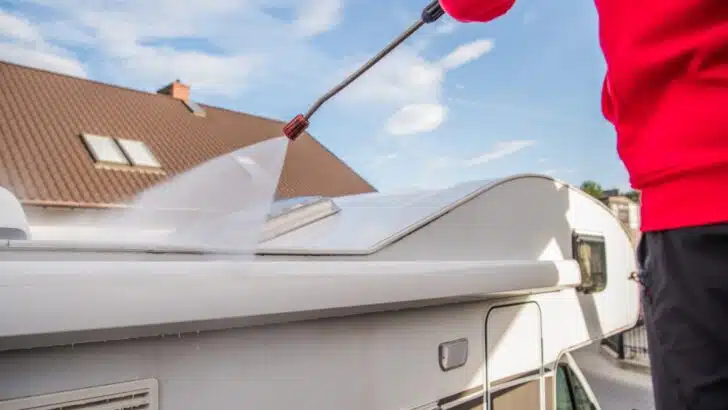
Pressure washers
These can damage anti-reflective coatings and seals over time.
How Often Should You Clean RV Solar Panels?
It depends on how and where you travel:
| Usage Scenario | Cleaning Frequency |
|---|---|
| Full-time RV living | Every 4–6 weeks |
| Dusty or desert areas | Every 2–4 weeks |
| Forested / bird-heavy camps | As needed |
| Occasional weekend trips | Every 2–3 months |
A quick visual check is often enough—if the panel looks dull or uneven, it’s time.
Extra RV Solar Maintenance Tips
-
Inspect wiring and mounts while cleaning
-
Check for cracks or delamination
-
Ensure no sealant has degraded around mounts
-
Trim nearby branches that cause shading
Cleaning is also the best time to catch small issues early.
FAQ: RV Solar Panel Cleaning & Maintenance
Q1: How do you clean an RV solar panel?
Use low-pressure water and a soft brush or microfiber cloth with mild, biodegradable soap or a dedicated solar panel cleaner. Rinse thoroughly and avoid abrasives, harsh chemicals, or pressure washers to protect coatings and seals.
Q2: Can I use a pressure washer to clean my RV solar panels?
It’s not recommended. High pressure can force water into edge seals, junction boxes, or mounting points and may damage surface coatings.
Q3: What is the best product to clean the solar panels on my RV?
A residue-free solar panel cleaner or a small amount of mild biodegradable soap is usually best. Avoid ammonia-based glass cleaners and abrasive scrub pads.
Q4: How often should I clean RV solar panels?
Most RV owners do well with cleaning every 4–6 weeks, but dusty deserts or bird-heavy camping spots may need cleaning every 2–4 weeks or as needed.
Q5: What is the 33% rule in solar panels?
If about one-third of a panel is shaded or heavily soiled, output can drop sharply because the panel’s current is limited by the weakest section. Localized dirt like bird droppings can cause outsized losses.
Q6: Does cleaning RV solar panels really increase performance?
Yes. Removing grime, pollen, and mineral spots can restore measurable output—especially if you frequently camp in dusty or coastal areas.
Q7: Are flexible RV solar panels harder to clean than rigid panels?
Not necessarily. Flexible panels often have polymer top layers, so it’s even more important to use soft tools and non-abrasive cleaners to avoid micro-scratches.
Q8: What should I avoid when cleaning flexible solar panels on an RV roof?
Avoid stiff bristles, abrasive pads, solvent-based cleaners, and aggressive rubbing. Use gentle pressure, soft microfiber, and rinse well to prevent residue buildup.
Q9: What’s the safest time of day to clean RV solar panels?
Early morning or late afternoon is best. Panels are cooler, evaporation is slower, and you reduce the chance of streaking or thermal stress.
Q10: Will bird droppings damage solar panels if I don’t clean them quickly?
They can reduce output significantly and may leave stains if baked in the sun. If you see droppings, spot-clean them as soon as practical.
Final Thoughts
RV solar panel cleaning doesn’t require special tools or harsh chemicals—just gentle handling, the right products, and consistency. By keeping panels clean, you protect your investment and make sure your system delivers reliable power wherever the road takes you.
A clean panel isn’t just about appearance—it’s about performance, safety, and long-term reliability.