

How Much Will a Home Solar power Cost in the United States in 2025?
The cost of going solar has always been one of the biggest questions for American homeowners. With energy prices fluctuating and federal incentives changing, it’s no surprise that more people are asking: How much will a home solar system cost in the United States in 2025?
The good news is that solar has become more affordable over the past decade, thanks to declining solar panel cost, improved efficiency, and competition among every solar energy company. In this article, we’ll break down the expected solar power cost in 2025, the main factors that influence pricing, and what you can expect if you’re considering solar power for residential use.
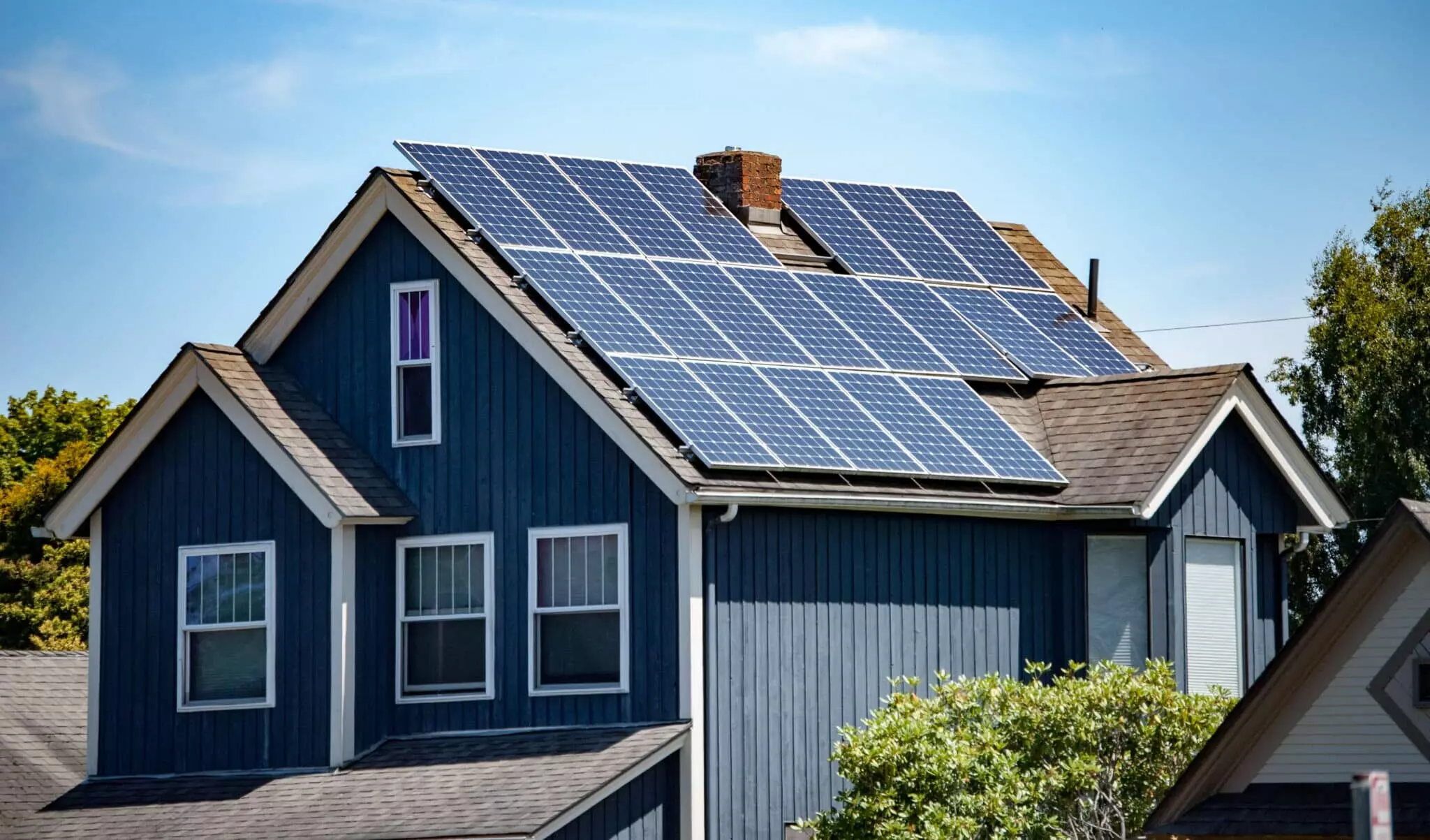
Average Home Solar System Cost in 2025
As of 2025, the average cost to install a residential solar power system in the United States is estimated to range between $15,000 and $30,000 before incentives, depending on system size and location. After applying the federal solar tax credit—which remains at 30% in 2025—many homeowners could see total costs fall to around $10,500 to $21,000.
On a per-watt basis, this equates to about $2.50 to $3.50 per watt in most states. For a typical American home needing a 6 kW to 8 kW system, this translates to a 20–30 year investment that can deliver significant savings on monthly energy bills.
Average cost of solar by state
| State | Average cost of a solar system before Incentives | Average cost of a solar system after incentives | Average tax credit value for a solar system | Average Cost Per Watt | Average 25-Year Savings |
|---|---|---|---|---|---|
|
Alabama |
$42,965 |
$30,075 |
$12,890 |
$3.04 |
$58,094 |
|
Arkansas |
$31,081 |
$21,757 |
$9,324 |
$2.40 |
$24,938 |
|
Arizona |
$28,024 |
$19,617 |
$8,407 |
$2.06 |
$46,432 |
|
California |
$20,810 |
$14,567 |
$6,243 |
$2.35 |
$116,218 |
|
Colorado |
$30,390 |
$21,273 |
$9,117 |
$2.87 |
$36,340 |
|
Connecticut |
$30,983 |
$21,688 |
$9,295 |
$2.77 |
$128,472 |
|
Washington D.C. |
$29,691 |
$20,784 |
$8,907 |
$3.00 |
$100,894 |
|
Delaware |
$31,884 |
$22,319 |
$9,565 |
$2.23 |
$56,985 |
|
Florida |
$31,081 |
$21,721 |
$9,309 |
$2.17 |
$75,366 |
|
Georgia |
$31,641 |
$22,149 |
$9,492 |
$2.46 |
$31,344 |
|
Hawaii |
$27,802 |
$19,461 |
$8,341 |
$3.22 |
$46,220 |
|
Idaho |
$32,523 |
$22,766 |
$9,757 |
$2.54 |
$21,222 |
|
Iowa |
$35,337 |
$24,736 |
$10,601 |
$3.01 |
$31,773 |
|
Illinois |
$34,848 |
$24,394 |
$10,454 |
$2.86 |
$53,906 |
|
Indiana |
$36,244 |
$25,371 |
$10,873 |
$2.87 |
$39,707 |
|
Kansas |
$34,289 |
$24,002 |
$10,287 |
$2.91 |
$29,697 |
|
Kentucky |
$35,286 |
$24,700 |
$10,586 |
$2.63 |
$31,838 |
|
Louisiana |
$28,148 |
$19,704 |
$8,444 |
$2.52 |
$23,030 |
|
Massachusetts |
$32,468 |
$22,728 |
$9,740 |
$3.06 |
$186,449 |
|
Maryland |
$36,321 |
$25,425 |
$10,896 |
$2.66 |
$75,560 |
|
Maine |
$34,368 |
$24,058 |
$10,310 |
$2.98 |
$61,492 |
|
Michigan |
$34,711 |
$24,298 |
$10,413 |
$3.09 |
$33,216 |
|
Minnesota |
$34,580 |
$24,206 |
$10,374 |
$2.91 |
$29,416 |
|
Missouri |
$32,904 |
$23,033 |
$9,871 |
$2.65 |
$35,274 |
|
Mississippi |
$26,317 |
$18,422 |
$7,895 |
$2.67 |
$25,784 |
|
Montana |
$33,159 |
$23,211 |
$9,948 |
$2.62 |
$28,577 |
|
North Carolina |
$32,508 |
$22,756 |
$9,752 |
$2.37 |
$32,330 |
|
Nebraska |
$65,104 |
$45,573 |
$19,531 |
$3.43 |
$2,014 |
|
New Hampshire |
$31,289 |
$21,902 |
$9,387 |
$3.03 |
$95,034 |
|
New Jersey |
$35,365 |
$24,756 |
$10,610 |
$2.80 |
$85,548 |
|
New Mexico |
$25,450 |
$17,815 |
$7,635 |
$2.83 |
$31,693 |
|
New York |
$33,753 |
$23,627 |
$10,126 |
$2.80 |
$60,832 |
|
Nevada |
$27,132 |
$18,992 |
$8,140 |
$2.23 |
$81,872 |
|
Ohio |
$34,354 |
$24,048 |
$10,306 |
$2.67 |
$57,665 |
|
Oklahoma |
$31,220 |
$21,854 |
$9,366 |
$2.37 |
$44,927 |
|
Oregon |
$32,199 |
$22,539 |
$9,660 |
$2.67 |
$50,830 |
|
Pennsylvania |
$33,357 |
$23,350 |
$10,007 |
$2.64 |
$80,447 |
|
Rhode Island |
$32,798 |
$22,959 |
$9,839 |
$3.01 |
$133,479 |
|
South Carolina |
$30,861 |
$21,603 |
$9,258 |
$2.48 |
$42,431 |
|
Tennessee |
$40,844 |
$28,591 |
$12,253 |
$3.05 |
$15,843 |
|
Texas |
$29,136 |
$20,395 |
$8,741 |
$2.15 |
$90,413 |
|
Utah |
$30,050 |
$21,035 |
$9,015 |
$2.59 |
$3,684 |
|
Vermont |
$31,891 |
$22,324 |
$9,567 |
$2.99 |
$38,211 |
|
Virginia |
$37,255 |
$26,079 |
$11,177 |
$2.78 |
$53,446 |
|
Washington |
$36,631 |
$25,642 |
$10,989 |
$2.64 |
$36,990 |
|
West Virginia |
$44,914 |
$31,440 |
$13,474 |
$3.09 |
$69,542 |
|
Wisconsin |
$36,098 |
$25,269 |
$10,829 |
$3.03 |
$43,223 |
|
Wyoming |
$38,952 |
$27,266 |
$11,686 |
$3.49 |
$6,713 |
Factors That Influence Solar Power Cost
Several elements determine how much you’ll pay for a home solar system in 2025:
-
System Size
Larger systems cost more upfront, but they often bring a lower per-watt price and greater long-term savings. -
Solar Panel Cost
The price of panels has steadily dropped, but premium high-efficiency panels remain more expensive. Brands like Sungold Solar and other premium manufacturers offer higher-output modules that may cost more initially but save space and maximize energy production. -
Location
Solar power costs vary by state due to labor costs, permitting fees, and local incentives. For example, California and Massachusetts often have higher installation costs than Texas or Florida. -
Type of Solar Panels
Monocrystalline panels cost more but deliver higher efficiency. Polycrystalline and thin-film panels are cheaper but may require more roof space. -
Inverters and Balance of System
Converting DC power from panels into usable AC for your home requires inverters, wiring, and mounting equipment. Quality matters here, as higher-grade components improve reliability. -
Labor and Installation
The solar energy company you choose can influence pricing. Established firms may charge more for expertise and warranty coverage but offer peace of mind in return.
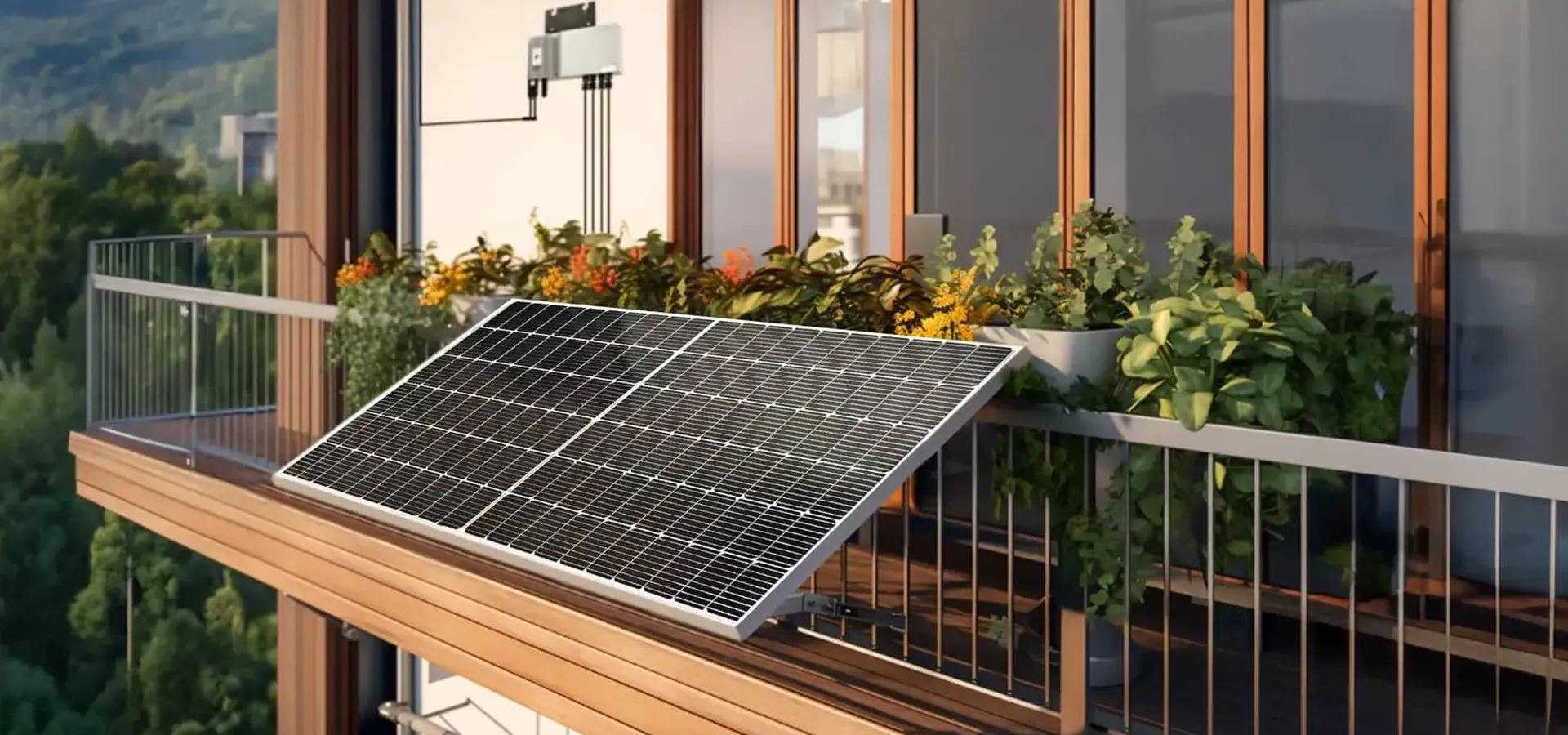
Comparing Solar Panel Cost in 2025
Let’s look at the estimated solar panel cost in the U.S. market in 2025:
| Type of Panel | Cost per Watt | Efficiency Range | Best Use Case |
|---|---|---|---|
| Monocrystalline | $1.00 – $1.50 | 18–22% | Residential rooftops, limited space |
| Polycrystalline | $0.70 – $1.00 | 15–17% | Budget-friendly installs, larger roofs |
| Thin-Film | $0.50 – $0.80 | 10–13% | Portable systems, unique applications |
While the panel cost itself is only one part of the total system expense, it often accounts for 25–35% of total solar power cost.
Why Choosing the Right Solar Energy Company Matters
Selecting the right solar energy company is one of the most important decisions a homeowner or business can make. With so many providers available in 2025, Sungold Solar stands out for its proven expertise, high-quality products, and customer-focused approach. Here’s why:
-
17+ Years of Manufacturing Experience
Sungold Solar has been designing and producing reliable solar panels since 2008. Our long-standing presence in the industry ensures stability, knowledge, and continuous innovation. -
Global Production & Supply Capability
With advanced manufacturing facilities in Shenzhen, China, and a new factory in Indonesia dedicated to the U.S. market, Sungold Solar combines international reach with local support, ensuring fast delivery and competitive pricing. -
Certified Quality & Durability
Sungold panels are tested to international standards, including TÜV, IEC, CE, and ROHS certifications, guaranteeing safety and performance. Our products are engineered to withstand demanding environments, from rooftops to RVs and marine use. -
Diverse Product Portfolio
Whether you need flexible lightweight panels for mobile applications, rigid modules for rooftops, or off-grid solar systems for residential and commercial use, Sungold Solar provides tailored solutions to fit every need. -
Customer-Centric Support
Sungold Solar partners with distributors, installers, and system integrators worldwide, offering technical guidance and after-sales service to ensure smooth project execution.

The Role of Batteries in Residential Solar Systems
As solar becomes mainstream, more homeowners are pairing panels with battery storage. Systems like lithium-ion batteries allow homes to store excess DC electricity for nighttime use or during grid outages.
Although adding storage can increase upfront solar power cost by $7,000–$15,000, it provides greater independence and resilience. By 2025, battery costs are expected to continue falling, making storage a more common part of residential solar systems.
Average Total Cost of a Home Solar System
Considering all aspects of the system (panels, inverter, mounting equipment, installation costs, permits, etc.), a whole-home solar system will cost between $25,000 and $40,000 in 2025.
This cost does not include the savings from solar incentives, but it also does not include battery storage if that’s something you want to add.
At the end of the day, solar is an investment, not an expense. The high up-front costs are quickly chipped away via monthly savings on your electric bill. If you have an off-grid system with a battery, you may not even have a bill anymore! Over time, you’ll make your money back and then some.
2025 Solar Incentives: Tax Credits, Rebates, and Savings
As of 2025, the federal Investment Tax Credit (ITC) is 30% for residential systems. You can deduct 30% of your solar installation costs (including battery storage) from your federal taxes. For a $20,000 system, that’s a $6,000 credit. The more you spend, the more you save.
State and local incentives can reduce your costs even further. These might include:
- Cash rebates
- Sales tax exemptions
- Property tax abatements
- Performance-based incentives (PBIs)
Check your state’s energy office or DSIRE database for current state incentives for renewable and efficiency upgrades in your area.
Frequently Asked Questions
You can only claim the solar tax credit in the year your system was installed and began operating. The only exception is if your tax liability is lower than your credit; in that case, you can roll the credit over and claim it as soon as your tax liability is higher than your credit.
In 2025, the federal solar tax credit in the US is 30% of the total cost of your system, including equipment (and battery storage), labor, and permits/fees. Unless the federal government changes the policy, the current legislation will run through 2031.
Most 2,000 square-foot homes use around 900-1,200 kWh per month. To meet this energy need, you’ll need around 14-17 panels (assuming each panel is around 400W and adequate sunlight conditions). If you have an energy-intensive home or live somewhere sunlight is scarce, you’ll need more panels.
How much will solar panels cost in 2025?
On average, solar panel cost in 2025 ranges from $0.70 to $1.50 per watt depending on type and efficiency.
Is solar power cost-effective for residential homes?
Yes. Most homeowners in the U.S. recover their investment within 7–10 years through energy savings and tax incentives.
Do I need a battery with my solar system?
Not necessarily. While batteries add resilience and independence, they increase upfront costs. Many homeowners start with panels and add storage later.
Conclusion
In 2025, the cost of a home solar system in the United States averages $15,000 to $30,000 before incentives. Factors such as solar panel cost, system size, location, and choice of solar energy company all influence the final price.