
Whether you’re weekend camping or living off-grid, the “right” RV solar wattage isn’t about buying the biggest number—it’s about matching your daily energy use, sun conditions, and battery size so your system feels effortless (not frustrating).
This guide compares 250W vs 300W vs 400W RV solar setups in a way that fits U.S. camping habits, boondocking realities, and buyer research intent.
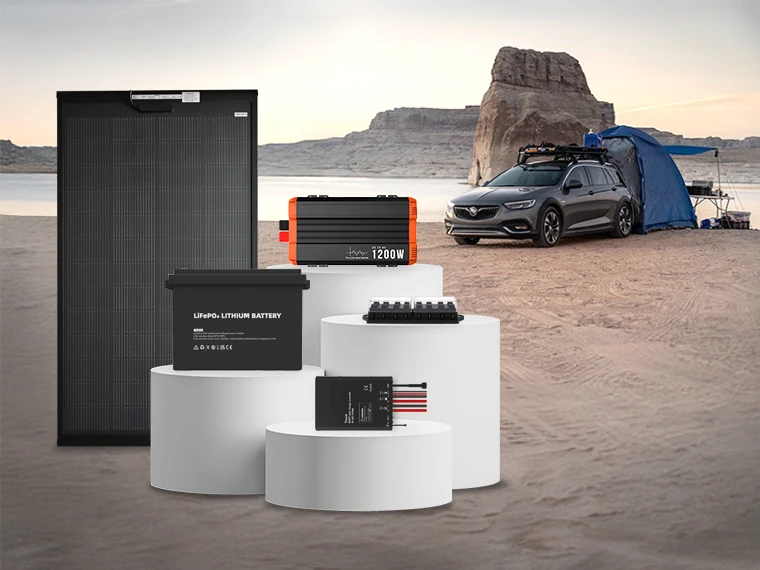
Quick Answer: Which One Should You Pick?
- 250W RV solar: Best for light loads + short trips (phone/laptop charging, lights, water pump, occasional fan).
- 300W RV solar: Best “balanced” choice for weekenders who want more comfort (more fan time, more device charging, light inverter use).
- 400W RV solar: Best for frequent boondocking and anyone running a 12V fridge, CPAP, longer fan use, or modest inverter loads.
If you’ve ever thought “My solar says 300W, why do I still run low?”—the key is real-world output, battery storage, and how you use power.
What 250W/300W/400W Really Means in Real Life
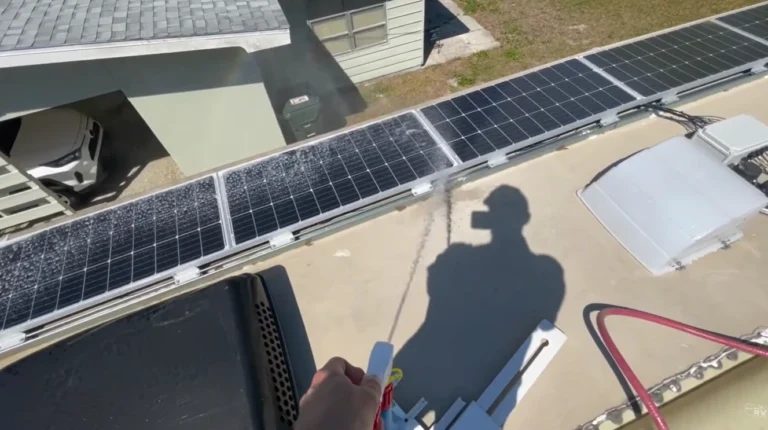
Solar watt ratings are measured under lab conditions. On an RV roof, your output is usually lower because of heat, partial shade (vents, A/C units, antennas), dust/soiling, flat mounting angle, and short winter days.
Rule of thumb: Plan for ~60%–80% of rated output on average, depending on conditions.
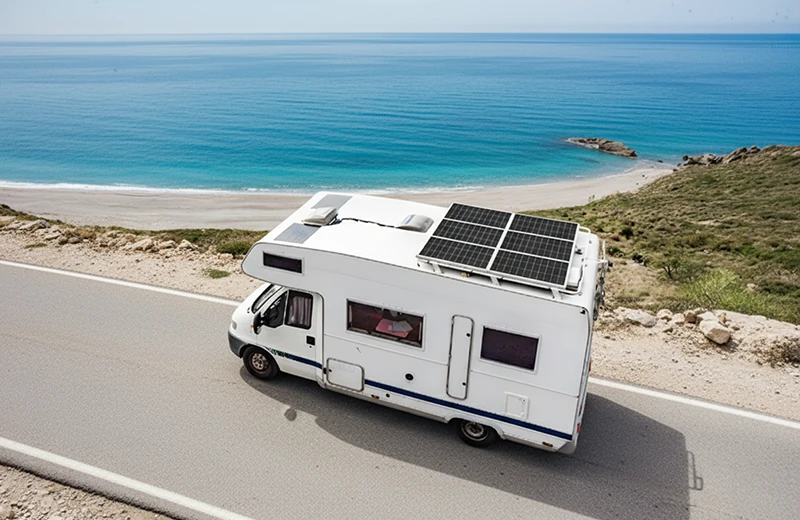
250W vs 300W vs 400W RV Solar: At-a-Glance
| System Size | Typical Best For | Comfortably Supports | Common Battery Pairing |
| 250W | Weekend trips, light power use | Lights, water pump, phones/tablets, small fans, modest laptop use | 12V 100Ah LiFePO₄ or 200Ah lead-acid |
| 300W | Balanced weekend + occasional boondocking | Above + longer fan time, more charging, occasional inverter use | 12V 100–200Ah LiFePO₄ |
| 400W | Frequent boondocking, higher comfort | 12V fridge support, CPAP, longer fan time, steadier small-appliance use | 12V 200Ah LiFePO₄ or larger |
Important: Solar is your income. The battery is your savings account. If either is undersized, you’ll feel it.
Step 1: Estimate Your Daily Energy Use (Simple Method)
The formula: Watts × Hours = Watt-hours (Wh). If a device shows amps at 12V, then Watts ≈ Amps × 12.
Typical RV Daily Loads (Examples)
- LED lights: 10–40 Wh/day (depends on usage)
- Water pump: 50–150 Wh/day
- Roof vent fan: 100–400 Wh/day (depends on speed and hours)
- Phone/tablet charging: 20–80 Wh/day
- Laptop: 100–300 Wh/day
- CPAP: 200–600 Wh/day (varies a lot)
- 12V compressor fridge: 600–1,200 Wh/day (season + usage dependent)
Step 2: Choose Your RV Power Profile
Profile A — Minimalist / Weekend Camper
Best fit: 250W (or 300W if you want more comfort margin).
Profile B — Comfort Weekender / Light Boondocker
Best fit: 300W. Upgrade to 400W if you camp under trees, travel in shoulder seasons, or want less generator time.
Profile C — Frequent Boondocker / Full-Time-ish
Best fit: 400W (and battery size matters even more here).
Sungold Solar Recommendations (250W / 300W / 400W)
Below are practical, U.S.-style system recommendations using Sungold Solar module families. Exact model availability may vary by site/region, but these bundles reflect real RV use cases.
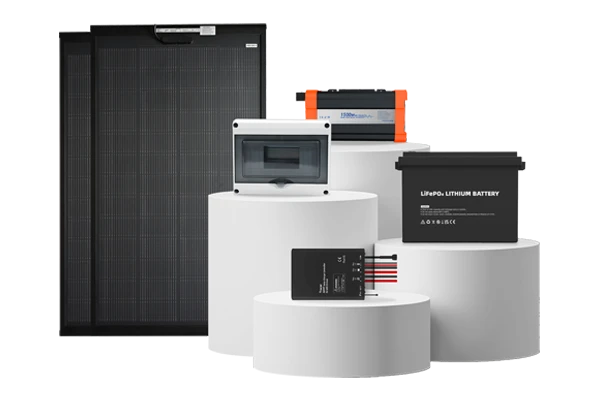
Option 1 — 250W Starter System (Weekend & Light Loads)
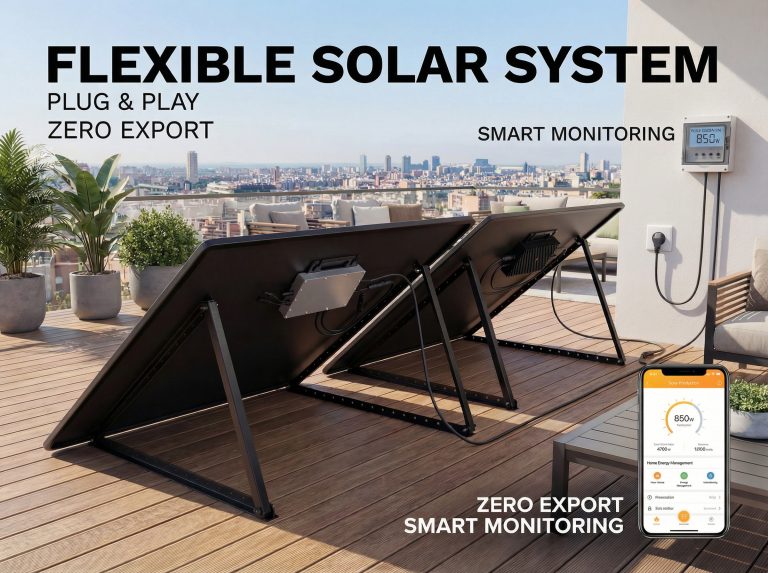
- Recommended Sungold panels: 1× rigid 250W module (SGM series) OR 2× lightweight flexible modules totaling ~240–260W (PA series).
- Controller: MPPT, sized with headroom for panel current and array voltage.
- Battery: 12V 100Ah LiFePO₄ (or equivalent) for a clean starter baseline.
- Inverter (optional): 600–1,000W only if you need occasional AC loads.
- Best for: lights, water pump, device charging, short fan use, modest laptop charging.
Option 2 — 300W Balanced System (Most U.S. RVers)
- Recommended Sungold panels: 1× rigid 300W module (SGM series) OR 2× lightweight flexible modules totaling ~300W (PA219/PA621 families depending on roof/weight needs).
- Controller: MPPT, properly sized; prioritize efficiency and stability in mixed conditions.
- Battery: 12V 100–200Ah LiFePO₄ (choose 200Ah if you plan more inverter time).
- Inverter (optional): 1,000W class for short, realistic appliance use.
- Best for: comfort weekends, occasional boondocking, steadier charging and fan time.
Option 3 — 400W Boondocking System (Comfort & Stability)
- Recommended Sungold panels: 2× rigid 200W modules (SGM series) OR flexible lightweight roof set totaling ~400W (PA219/PA621 families).
- Controller: MPPT with adequate current rating and thermal headroom.
- Battery: 12V 200Ah LiFePO₄ (common sweet spot for fridge/CPAP-style loads).
- Inverter: Size to your actual appliances; avoid oversized inverters that waste power at idle.
- Best for: frequent boondocking, 12V fridge support, CPAP, longer fan time, reduced generator reliance.
Note: A/C is a different class of load. 400W solar typically will not support continuous air conditioning without a much larger battery + solar system and careful power management.

Battery Sizing: The Part Most RVers Undershoot
Solar collects energy during the day. The battery carries you through mornings, evenings, and cloudy weather. If your daily use is around 1,000 Wh/day, a practical start is 12V 100Ah LiFePO₄ (~1,200 Wh nominal). Many boondockers feel more comfortable at 200Ah.
Controller Choice: MPPT vs PWM
PWM is cheaper but less efficient. MPPT typically captures more usable energy and handles common RV conditions better—especially when panel voltage is higher than battery voltage or light is variable.
Inverter Sizing: Don’t Oversize “Just in Case”
Bigger inverters can increase idle draw, require heavier cabling, and encourage loads your battery can’t support. Start with the smallest inverter that fits your real appliances.
Wiring & Protection Basics (High Impact)
- Use the correct wire gauge to limit voltage drop (especially controller-to-battery runs).
- Fuse near the battery and protect both solar and DC loads appropriately.
- Use clean connections, strain relief, and abrasion protection where wires pass through walls/roof.
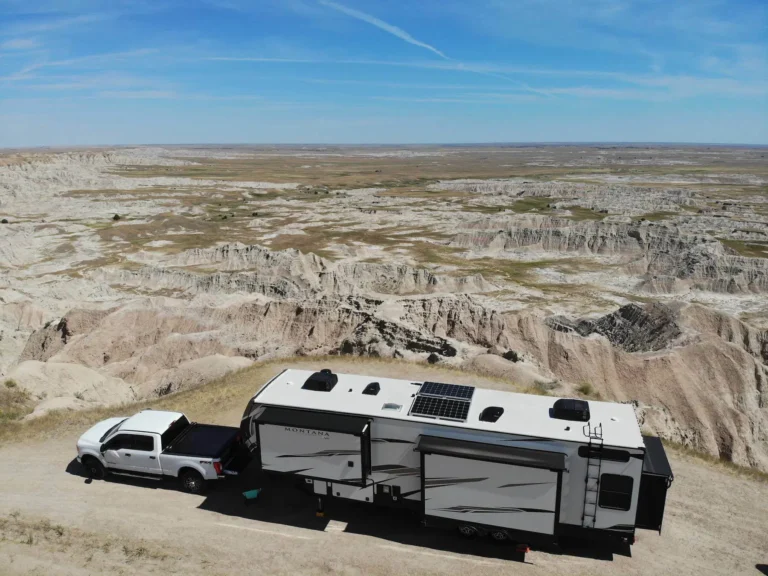
- Plan panel placement to reduce shading from vents, A/C units, antennas, and racks.
FAQ
Can 250W run my RV refrigerator?
If it’s a 12V compressor fridge, 250W may help, but it often feels tight in heat or shade. Many fridge users prefer 400W plus a larger battery.
Is 300W “enough” for boondocking?
For many weekend boondockers, yes—if the battery is sized correctly and you camp in decent sun. If you hit trees often, 400W gives breathing room.
Can 400W run RV air conditioning?
Usually not reliably as a standard setup. A/C loads typically require a larger system and a different design approach.
Flexible or rigid panels—what should I choose?
Rigid solar panels are great value and durable. Flexible/lightweight panels are ideal for weight-sensitive or curved roofs, but proper installation and heat management matter.
Final Recommendation
If you want a safe choice without overthinking:
- Choose 300W for most weekend RVers.
- Choose 400W if you boondock often, run a 12V fridge/CPAP, or camp under trees.
- Choose 250W only if your loads are truly light and you mostly camp in strong sun.