
Rigid vs Flexible RV Solar Panels: What’s the Best Choice for Your RV?
Updated for 2025 — Expert Guide for Motorhomes, Campers & Travel Trailers
Solar power has become a must-have upgrade for RV owners who want quiet, reliable off-grid electricity without relying on generators. But when choosing RV solar panels, most buyers struggle between rigid solar panels and flexible solar panels.
This guide compares both technologies in detail—performance, lifespan, installation, weight, cost, and real RV use cases. At the end, we introduce two excellent options from Sungold Solar:
✔ PA219 Flexible Solar Panel (best for curved/lightweight roofs)
✔ SGM Rigid Solar Panel Series (best for high-efficiency permanent RV setups)
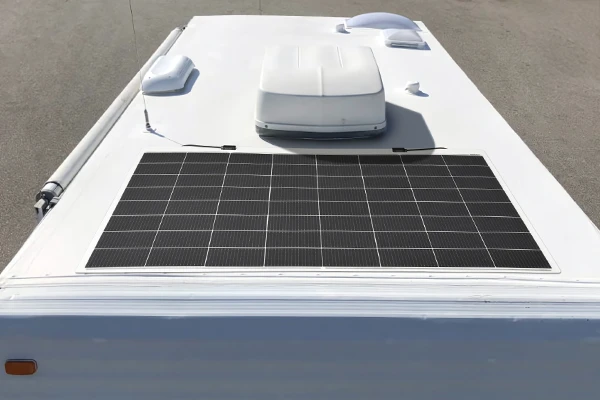
What Are Rigid RV Solar Panels?
Rigid RV solar panels use a sturdy aluminum frame and tempered glass cover. They look similar to residential solar panels but are optimized for mobile use.
Typical Features
-
Durability: Glass + aluminum structure
-
High conversion efficiency
-
25–30+ year service lifespan
-
Best long-term performance
Best for:
Permanent installations on flat, strong RV roof structures (Class A, Class C, fifth wheels, etc.)
What Are Flexible RV Solar Panels?
Flexible solar panels use lightweight polymer materials and ultra-thin solar cells. They can bend slightly (usually 20–30°) to fit curved or uneven surfaces—perfect for RVs, vans, boats, and trailers.
Typical Features
-
Weight is 50–70% lighter than rigid panels
-
Slim, aerodynamic, low-profile look
-
Stronger against microcracks (depends on cell technology)
-
Easier DIY installation
Best for:
Curved roofs, lightweight RVs, stealth camper vans, Airstream trailers, pop-up campers.
Pros & Cons: Rigid vs Flexible RV Solar Panels
Flexible Solar Panels
Advantages
-
Lightweight — Perfect for RVs with strict roof load limits.
-
Bendable design — Fits curved roofs and uneven surfaces.
-
Low installation height — No wind noise, more aerodynamic.
-
Easy DIY installation — Adhesive mounting reduces drilling risk.
-
Ideal for stealth builds — Low visual profile.
Disadvantages
-
Slightly lower efficiency than rigid panels
-
Shorter lifespan (usually 5–15 years depending on cell type)
-
Heat dissipation is weaker when glued directly to roof
-
Higher cost per watt compared to rigid panels
Rigid Solar Panels
Advantages
-
Highest efficiency — Usually 19–22%+
-
Long lifespan — 25 years typical
-
Best performance in high temperatures
-
More durable against weather, hail, UV
-
Better airflow under panel ensures cooler operation
Disadvantages
-
Heavier
-
Requires brackets & drilling
-
Not suitable for curved roofs
-
Higher installation complexity
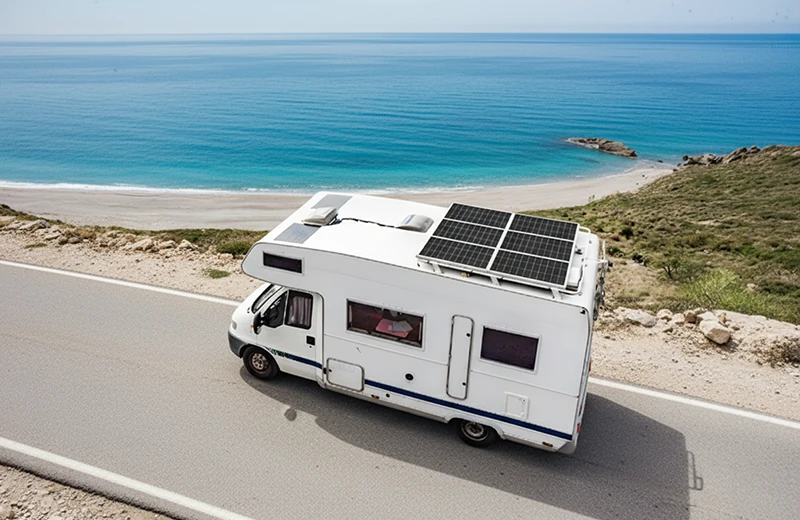
Performance Comparison
| Feature | Flexible Panels (PA219) | Rigid Panels (SGM Series) |
|---|---|---|
| Weight | ⭐⭐⭐⭐⭐ Ultra-light | ⭐⭐ Heavy |
| Efficiency | ⭐⭐⭐⭐ | ⭐⭐⭐⭐⭐ Higher |
| Roof Compatibility | Curved & lightweight roofs | Flat & strong roofs |
| Lifespan | 5–15 years | 25+ years |
| Installation | Adhesive or screws | Brackets + drilling |
| Heat Dissipation | Moderate | Excellent |
| Ideal User | Camper vans, Airstream, pop-ups | Full-time RVers, bigger rigs |
How Solar Panels Help RV Owners
✔ Reduce generator use (quiet, clean power)
✔ Charge RV house batteries while driving or camping
✔ Power refrigerators, lights, fans, water pumps, electronics
✔ Enable true off-grid boondocking
✔ Extend battery life with stable charging
✔ Lower campground electric costs
Installation Differences
Flexible Solar Panel Installation
-
Usually bonded directly with adhesive tape or structural glue
-
No drilling required → protects RV roof
-
Faster DIY installation
-
Must ensure heat dissipation (optional standoff spacers recommended)
Rigid Solar Panel Installation
-
Mounted using aluminum brackets
-
Requires drilling into roof frame
-
Highest stability during wind, storms, long-term use
-
Creates ventilation gap for cooling
Product Recommendations for RV Owners
⭐ Sungold PA219 Flexible Solar Panel — Best for Lightweight RV Roofs
Key Features
-
Uses advanced IBC back-contact solar cells
-
Efficiency up to 25%
-
Ultra-thin & ultra-light (approximately 70% lighter than rigid panels)
-
Bendable for curved roofs
-
No-glass design—more resistant to microcracks
-
IEC-certified for reliability
-
Anti-shading design improves real-world output
Ideal for:
Vans, Airstream, curved roofs, stealth campers, lightweight trailers.
⭐ Sungold SGM Series Rigid Solar Panels — Best for Permanent RV Installations
Key Features
-
High-efficiency IBC solar cells
-
Tempered glass + aluminum frame
-
Robust anti-PID & weather-resistance
-
25+ year expected service life
-
Excellent output even in desert heat
-
Ideal for full-size RVs or long-term solar setups
Ideal for:
Class A/C RVs, fifth wheels, long-term boondocking setups.
Which RV Solar Panel Should You Choose?
Choose Flexible Solar Panels (PA219) if:
-
Your RV roof is curved or uneven
-
You need the lightest possible solar system
-
You want fast DIY installation
-
You prefer a low-profile design
Choose Rigid Solar Panels (SGM Series) if:
-
You want maximum efficiency and longest lifespan
-
Your RV roof can support heavier weight
-
You camp off-grid frequently
-
You want best value per watt
Best Strategy:
Many RVers combine both — rigid panels for main power + flexible panels for additional wattage on curved areas.
Frequently Asked Questions (FAQ)
1. Are flexible solar panels good for RVs?
Yes. They are ideal for curved, lightweight, or low-profile RV installations.
2. How long do flexible RV solar panels last?
Typically 5–15 years depending on materials and UV exposure. PA219 uses high-efficiency IBC cells for better durability.
3. Do rigid panels produce more power than flexible ones?
Yes. They typically stay cooler and have higher efficiency.
4. Can flexible solar panels be walked on?
Most should not be walked on unless designed for it. PA219 is durable but still not recommended for heavy foot traffic.
5. Do flexible solar panels overheat on RV roofs?
If bonded directly, heat buildup can occur. Leave small airflow gaps for performance improvement.
6. Are rigid solar panels better for full-time RV living?
Yes. They offer higher wattage, longer lifespan, and better performance in rough environments.
7. Can I mix flexible and rigid panels?
Yes. As long as they connect to the same charge controller type and voltage.
8. Can I install flexible panels without drilling?
Yes. Adhesive installations are extremely popular for RVs.
9. What size solar system does an RV need?
Most RVers use 200–600W, but off-grid users may need 800–1200W.
10. Which Sungold panel is best for RVs?
Use PA219 for lightweight builds and SGM rigid panels for high-output permanent systems.